
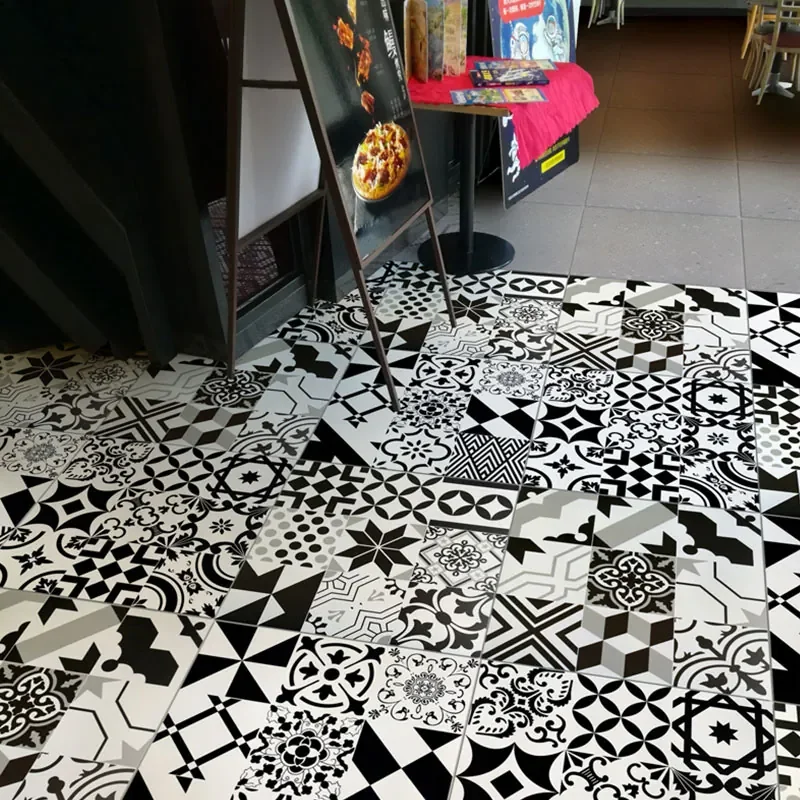
A patterned floor has to do more than make a strong first impression. In a busy family kitchen, an entrance hall, a restaurant, or a hotel corridor, the surface also needs to cope with repeated foot traffic, routine cleaning, and the practical demands of daily use. A design that looks attractive in a sample display may not be the right specification for a heavily used floor.
When selecting patterned ceramic floor tiles for these environments, we recommend evaluating the material, intended application, surface characteristics, and maintenance requirements alongside the visual design. The goal is to find a pattern that suits the interior without overlooking the conditions the finished floor will face.
Match the Tile Material to the Traffic Level
Ceramic and porcelain tiles both offer decorative possibilities, but buyers should not treat them as interchangeable products.
Ceramic tiles provide a wide range of colors, patterns, and decorative styles for residential and commercial interiors. They can be considered for floors and walls when the specific product is designed and rated for the intended application.
Porcelain tiles are worth examining closely for demanding floor areas. Their material characteristics make them a practical option for projects where durability, moisture resistance, and maintenance are important considerations. JLA Ceramics’ Pattern Tiles collection includes both ceramic and porcelain options, allowing buyers to compare decorative styles across the two categories.
Before specifying a product for a busy entrance, restaurant, or hotel corridor, request its technical documentation. Check the intended application, relevant wear or abrasion information, water absorption data where applicable, and any other performance requirements established by the project. Do not assume that a decorative appearance or a material name alone confirms suitability for every commercial floor.
Understand the Type and Frequency of Foot Traffic
Not all high-traffic spaces experience the same conditions. A family living room may receive frequent but relatively predictable foot traffic. A restaurant entrance can experience constant movement, outdoor dirt, and more frequent cleaning. Hotel corridors may also need to maintain a consistent appearance across large areas.
Consider the following questions before choosing a tile:
- How many people are likely to use the area each day?
- Will visitors enter directly from outdoors?
- Are wheeled carts, luggage, or cleaning equipment regularly used?
- Will the floor be exposed to food spills, water, or abrasive dirt?
- How frequently will the surface be cleaned?
These details help determine which product characteristics matter most. For example, an entrance exposed to outdoor dirt may require particular attention to surface texture and cleaning procedures. A restaurant floor may need a different maintenance plan from a residential hallway.
Where the project includes several zones, specify each area according to its actual use rather than applying one tile selection everywhere.
Evaluate Surface Finish, Cleaning, and Slip Resistance
Pattern and color influence how a floor looks, but the finish affects its everyday use. A smoother surface may be easier to wipe, while a textured finish can create a different tactile and visual effect. Neither should be selected without considering the location.
For commercial kitchens, restaurant dining areas, and other spaces where moisture or spills may occur, verify the product’s slip-resistance performance against the project’s requirements and applicable local standards. A matte appearance does not automatically establish that a tile is slip-resistant. Similarly, a textured surface should not be assumed to meet a particular safety rating without supporting test information.
Maintenance is another practical consideration. Patterned surfaces may visually integrate decorative details into the room, but cleaning still depends on the tile finish, grout, and cleaning products used. Ask for care recommendations and confirm that the proposed maintenance routine is realistic for the facility.
Select a Pattern That Works Across a Larger Floor Area
A decorative design can look very different when repeated across a long corridor or open-plan commercial space. A small sample may not reveal how frequently a motif repeats or how several tiles connect.
For larger installations, review multiple tiles together before approval. Check the pattern direction, color distribution, repeat sequence, and alignment at the edges. If the design includes prominent geometric or floral elements, ask the installer to prepare a layout plan that accounts for doorways, columns, counters, and other fixed features.
The scale of the pattern also matters. Subtle designs can create a continuous decorative surface, while bold motifs may work better in defined areas such as reception zones or entrance features. JLA’s Pattern Tiles collection includes geometric, floral, vintage, and contemporary designs, providing different visual directions for residential and commercial interiors.
Plan Installation and Replacement Requirements
Even a suitable tile can produce an inconsistent result if installation planning is overlooked. Confirm the substrate preparation, installation materials, joint spacing, and layout requirements with the contractor. These factors influence the finished appearance and long-term performance.
Quantity planning should account for measured floor coverage, cuts, layout complexity, and an appropriate reserve for future repairs. For multi-room or multi-phase projects, record the product reference, finish, dimensions, and batch information. Retaining spare tiles from the original order can make later replacement easier, particularly when the pattern or color is distinctive.
Before placing a bulk order, review a physical sample and confirm the final product specifications. This gives the purchasing team, designer, and installer a shared reference.
Specify Decorative Floors with JLA Ceramics
At JLA Ceramics, our Pattern Tiles collection includes patterned ceramic and porcelain options in geometric, floral, vintage, and contemporary styles. We offer designs for kitchens, bathrooms, living spaces, and commercial interiors, with products available for decorative floors, backsplashes, and feature walls. Customization can also be discussed according to project requirements, including patterns, colors, sizes, and finishes.
Based in Foshan, China, we operate dedicated floor-tile and wall-tile factories, with a monthly production capacity of 1,000,000 m² for floor tiles and 200,000 m² for wall tiles. Our services include custom design and OEM support, batch quality checks covering flatness, color consistency, and durability, as well as global shipping and technical assistance.
If you are sourcing patterned ceramic floor tiles for a residential development, hotel, restaurant, or other busy environment, share your floor plans, intended applications, estimated quantities, and performance requirements with our team. Contact JLA Ceramics to review suitable options and confirm the product details before moving forward with your order.

